5 Ways Vehicle Tracking for Business Improves Fleet Efficiency


5 Ways Vehicle Tracking for Business Improves Fleet Efficiency
Managing company vehicles can be difficult. Businesses must control fuel costs, protect drivers, and keep vehicles running smoothly. However, without clear information it is hard to know what happens on the road. This is why many companies now use vehicle tracking for business. It provides live vehicle data and helps managers make better decisions.
According to the Department for Transport, transport costs remain high for many UK businesses. Therefore, tools such as vehicle tracking for business are becoming more important for companies that rely on vehicles.
https://www.gov.uk/government/organisations/department-for-transport
Better Visibility with Business Vehicle Tracking
First, vehicle tracking for business gives managers clear visibility of their vehicles.
- Managers can quickly see:
- Where vehicles are
- Which routes they take
- How long journeys take
- When vehicles stop
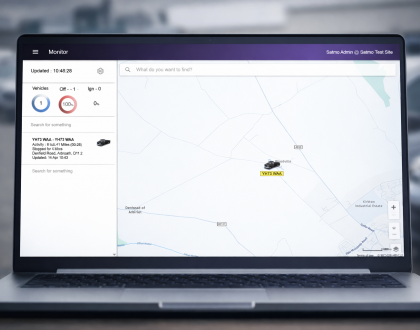
Because this data updates in real time, managers can react faster. For example, they can send the nearest driver to a new job. As a result, jobs are completed more quickly.
Businesses using Satmo systems can view this information through simple dashboards.
Learn more:
https://www.satmo.co.uk/vehicle-tracking/
Lower Fuel Costs with Fleet Tracking Technology
Fuel is often the largest cost for fleets. However, driving style affects fuel use more than many businesses realise.
For example, rapid acceleration and long periods of idling both increase fuel use. Meanwhile, smoother driving reduces it.
This is where vehicle tracking for business becomes helpful. It shows when drivers accelerate too quickly or leave engines running.
Managers can then encourage drivers to:
- Maintain steady speeds
- Reduce idling time
- Follow efficient routes
As a result, fuel costs often decrease.
The Energy Saving Trust reports that efficient driving can reduce fuel consumption by up to 15%.
https://energysavingtrust.org.uk/advice/fleet/
Safer Driving Through Vehicle Monitoring
Driver safety is another key benefit of vehicle tracking for business. Monitoring driving habits helps businesses spot risky behaviour early.
For example, systems can detect:
- Speeding
- Harsh braking
- Sudden acceleration
Because these events are recorded automatically, managers can review the data and offer guidance.
The Royal Society for the Prevention of Accidents explains that monitoring driver behaviour helps reduce workplace road incidents.
https://www.rospa.com/road-safety
Better Customer Service with Real-Time Vehicle Tracking
Customers often want accurate arrival times. However, without vehicle data this can be difficult.
Fortunately, vehicle tracking for business makes this easier. Managers can see where vehicles are and estimate arrival times more accurately.
As a result, businesses can give customers clearer updates. In addition, service reliability improves.
Smarter Decisions Using Fleet Data
Finally, businesses need good data to improve operations.
Managers can review reports showing:
- Vehicle usage
- Driver performance
- Journey times
Because this information is easy to access, managers can identify problems quickly. As a result, fleets become easier to manage.
Research from Teletrac Navman shows that telematics systems help companies improve efficiency and reduce costs.
https://www.teletracnavman.com/resources/blog
Discover Satmo Vehicle Tracking Solutions
At Satmo Vehicle Tracking, we have specialised in fleet technology since 2006. Our systems provide reliable vehicle tracking for business that helps companies monitor vehicles and improve efficiency.
Whether you operate a small fleet or many vehicles, Satmo systems give businesses the visibility they need.
Learn more:
https://www.satmo.co.uk
https://www.satmo.co.uk/vehicle-tracking/