Vehicle Tracking for Small Businesses: How to Get More From Your Fleet

Vehicle Tracking for Small Businesses: How to Get More From Your Fleet
Vehicle tracking for small businesses helps you keep track of company cars, vans and delivery vehicles while managing a busy working day. By viewing vehicle locations and journey information, you can spend less time chasing updates and make more informed decisions about your fleet.
Checking where drivers are, organising the next job and responding to customer enquiries all take time. A vehicle tracking system gives you a clearer picture of what is happening on the road, helping your team organise daily operations.
Whether you operate company cars, service vans or delivery vehicles, here is how GPS vehicle tracking can help your business.
What is vehicle tracking?
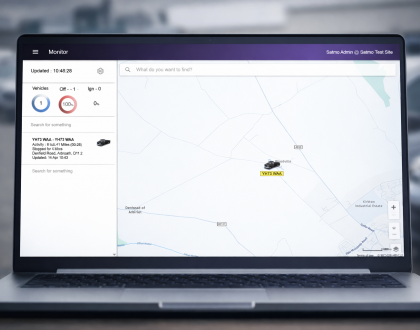
A vehicle tracking system uses GPS to identify a vehicle’s location. A device fitted to the vehicle sends information to software, allowing authorised users to view its position and review recorded activity.
Depending on the system and features selected, this can include journey routes, start and finish times, stops, speeds and alerts.
At SATMO, our vehicle tracking solutions help businesses understand how their vehicles are being used and organise their daily operations more effectively.
Spend less time chasing vehicle updates
Calling drivers to ask where they are can interrupt their work and slow down yours. When several vehicles are out at once, even a straightforward customer enquiry can turn into a series of phone calls.
Live vehicle tracking gives your office team access to location information, helping them answer questions and plan the next job.
For example, if a customer needs an urgent visit, you can check which vehicles are nearby before contacting a suitable driver. You can then confirm their availability and whether they have the right equipment for the job.
Identify unnecessary mileage
Extra journeys can be easy to overlook. A vehicle might travel back to the depot unnecessarily, take a lengthy route between appointments or be sent to a job when another suitable vehicle is closer.
Journey records help you review these patterns and decide where changes could be useful.
You might group appointments by area, adjust how jobs are allocated or reduce avoidable return trips. Fewer unnecessary miles can help limit fuel use and vehicle wear, although the results depend on how you use the information.
Vehicle tracking for small businesses makes it easier to spot these patterns and decide where changes could reduce unnecessary journeys. A practical starting point is to review one week of journeys and look for a recurring issue you can address.
Give customers more useful updates
Customers often want to know when a delivery, engineer or service team will arrive. If you cannot see where your vehicles are, providing an update may involve guesswork.
Vehicle location information helps you give customers a better-informed response. It can also help your office team spot when a schedule needs adjusting and contact the customer sooner.
Tracking does not remove traffic delays or guarantee an arrival time. It gives you useful information to work with when managing expectations.
Understand how the working day is organised
Journey history can help you review travel between jobs and recorded arrival and departure times.
For a small business, this information can reveal scheduling problems that are difficult to see from a diary alone. Appointments may be too far apart, travel allowances may be unrealistic or one driver may regularly cover a much larger area than others.
Use those records alongside job details and conversations with your team. A long stop, for example, may reflect a complex customer visit rather than a delay that could have been avoided.
The aim is to understand the working day well enough to improve how it is planned.
When reviewing your fleet’s working day, consider journey planning and driver safety alongside efficiency. The Health and Safety Executive’s guidance on driving safely for work offers practical information on managing journeys, drivers and vehicles.
Receive alerts for relevant vehicle activity
You do not need to watch a map throughout the day to make use of fleet tracking.
SATMO offers location-based alerts, including notifications when vehicles enter or leave a specified area. These can be useful for monitoring depot movements or customer visits.
Choose alerts that support a clear business need. A few relevant notifications are easier to act on than a constant stream of updates.
Choosing vehicle tracking for small businesses
The best vehicle tracking system for a small business should be straightforward to use and suited to the way your team works.
Before choosing a provider, consider:
- Daily use: Can your team quickly find the information they need?
- Journey reporting: Can you review routes, stops and journey times?
- Job allocation: Can you identify vehicles close to a customer?
- Access: Can authorised staff use the system from the devices they rely on?
- Support: Is help available when you need to understand a feature or resolve an issue?
- Costs: Are the contract terms and any installation charges clear?
A demonstration is a useful opportunity to test the system against real situations from your business.
How SATMO can help
At SATMO, we offer vehicle tracking solutions tailored to your fleet and business requirements.
Our features include live vehicle tracking, journey activity records, a find-nearest function, driver behaviour reporting and location-based alerts. You can access the system through a phone, tablet, laptop or desktop.
We develop our software in-house, allowing us to discuss functionality that suits your requirements. Our team can help you identify which features will be useful for the way you operate.
Explore our vehicle tracking features to see what is available.
Frequently asked questions
Is vehicle tracking useful for a small fleet?
It can be. Even with a few vehicles, knowing where they are and reviewing their journeys can help with job allocation and customer enquiries. The value depends on the problems you want to solve and how regularly you use the system.
Can I view vehicle tracking on my phone?
SATMO’s system can be accessed using a phone, tablet, laptop or desktop, giving authorised users a way to check fleet information while away from the office.
Can vehicle tracking help reduce running costs?
It can help you identify unnecessary mileage and opportunities to organise journeys more efficiently. Savings depend on your fleet’s existing activity and the changes you make after reviewing the data.
Find the right vehicle tracking solution for your business
To get the most from vehicle tracking for small businesses, choose features that address the tasks your team handles every day.
Start with the task that takes up the most time: locating vehicles, allocating jobs, answering customer enquiries or reviewing journeys.
We can show you how SATMO works and discuss the features that fit your business.
Contact SATMO to arrange a live demonstration or call 01274 587748.