How will the heat affect your drivers?

by Fiona Taylor
It may be September, but the thermometers are set to soar again today. BBC weather have predicted highs up to 26 degrees today, and 24 degrees further through the week.
How does this increase in temperature affect your drivers? Heat exhaustion is a potential factor, a person with heat exhaustion loses body fluids and salts from being exposed to high temperatures for long periods of time.
Symptoms of heat exhaustion include fatigue as the body becomes dehydrated, blood volume is reduced and blood pressure drops.
Most people don’t realise that the increase in temperature can have an effect on your drivers ability to react to potentially dangerous situations, and it is often acknowledged that your drivers are more likely to be involved in a motor vehicle accident when they are tired, angry, flustered, uncomfortable or exhausted.
It is just as important to prepare your drivers for hot weather as it is to prepare your vehicles. Make sure that they are aware of symptoms to look for in each other. The most common signs and symptoms of heat exhaustion include:
- Dark-coloured urine and urinating less often than usual (which indicates dehydration)
- Dizziness
- Fainting
- Fatigue
- Headache
- Muscle cramps
- Nausea
- Pale skin
- Confusion
- Profuse sweating
- Rapid heartbeat
How to avoid heat exhaustion
When the temperature is high, it’s best to stay indoors in a cool room. This is not always possible when you have a job to do, your drivers can follow some simple steps to make sure that they take care of themselves in the sunshine.
- Drink plenty of water before, during and after your trip.
- Avoid fluids containing either caffeine or alcohol because both substances can make you lose fluids and worsen heat exhaustion.
- Take a break of a minimum of 15 minutes every two hours and, if possible, rotate driving duties with another driver.
- If using the air conditioning constantly, open the window every hour for 60 seconds to allow fresh air into the cabin.
- If possible, try to avoid driving during the hottest part of the day, being from 12pm to 2pm.
- While the vehicle is parked, if possible, leave the windows open 2 cm to allow the hot air to escape, and use a windscreen foil protector.
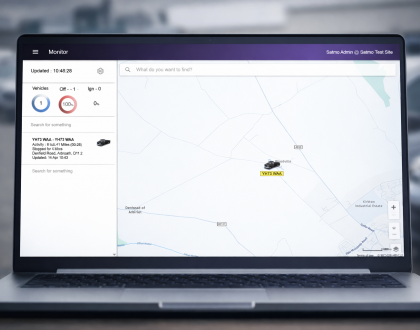
Why not introduce regular check ins with your drivers to ensure that they are OK and that the vehicles are still performing properly, they can check in with you at certain points during their day and let you know that they are ok. Or, you could get vehicle tracking, as an employer you have a duty of care to make sure that your drivers are safe and are not a risk to the public – vehicle tracking from Satmo will allow you to see exactly where your vehicles are and how they are being driven. Call one of our sales team now on 01274 587748 and they will be happy to talk you through the options.
Fiona Taylor
Fiona Taylor is the Sales Manager at award winning Satmo Vehicle Tracking. If you feel you need help with your fleet, want to gain back control, save some money and time then please get in touch.