8 top tips for winter driving

by Fiona Taylor
How to drive in winter
Winter driving can be scary, and good driving techniques can help you deal with difficult situation as they arise. Here are 8 of our top tips for successful winter driving.

Be prepared
You could have winter tyres or not, either way it is always better to be prepared. If an accident happens in front of you then you will be stuck no matter how well you are at winter driving.
If you have to travel alone, tell someone where you are going. Tell them the route that you are planning to take, and what time you hope to arrive. They can then take note of your progress and can try to reach you if you don’t arrive when you thought you would,
Pack your vehicle with a shovel, a blanket or 2, and a fully charged mobile phone for any potential emergency.

Driving in snow
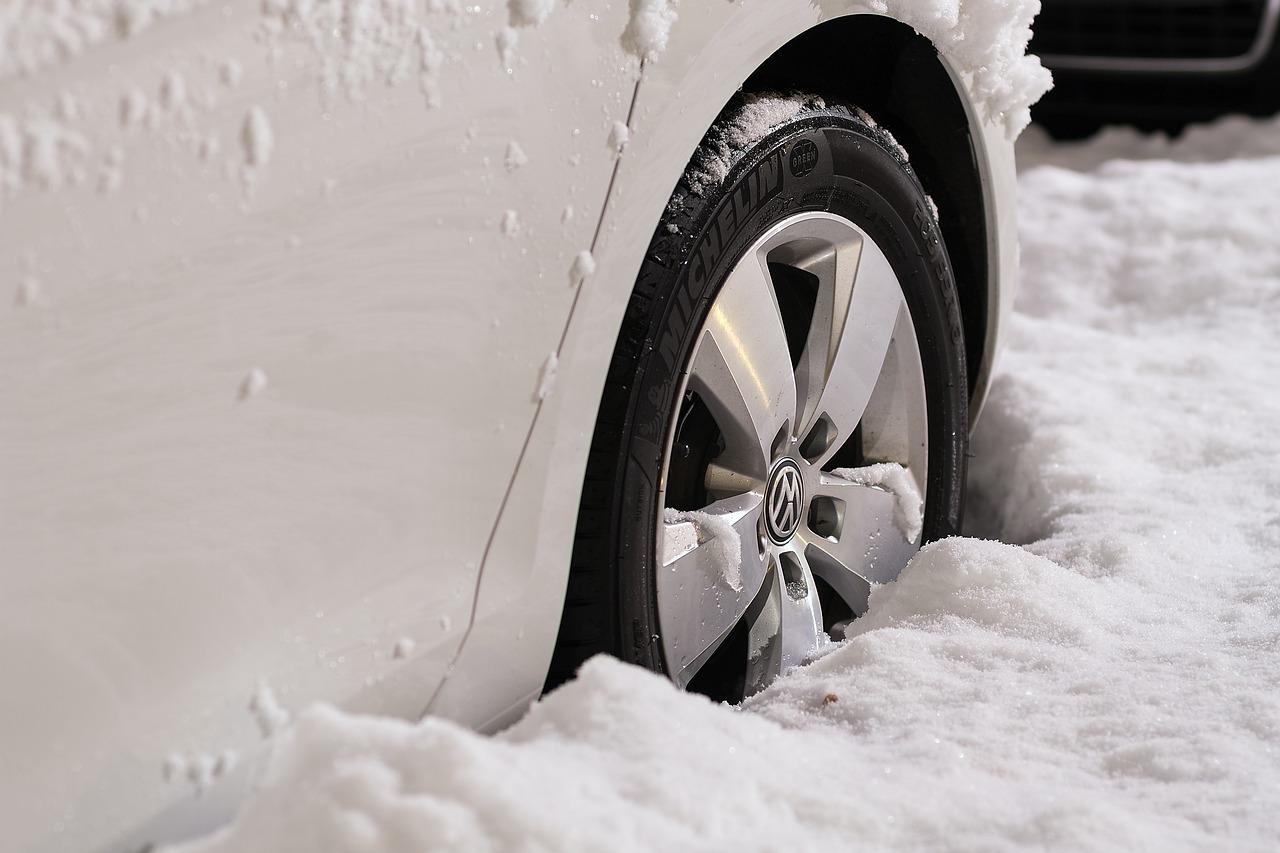
Use higher gears. Pull away in second rather than first gear. This reduces the chances of spinning the wheels and digging yourself into a rut. Be very gentle with the clutch and throttle – again to reduce the chances of a wheel-spin.
If you do get stuck, digging away snow from the wheels can gain you some purchase, potentially getting you out of trouble. A rug can also provide a friction surface if tucked in front of a driven wheel to allow you to move.
Frozen locks
Can’t get into your car? Cold weather causes issues before you even get into the vehicles sometimes.
If your locks are frozen you could heat your key with a lighter and this will melt the ice in your lock allowing you to open the door.
Beware of ice on the roads
Black ice is the nastiest part of winter driving. Sheet ice that is clear so you can see the road underneath can cause skidding as you don’t know it is there.
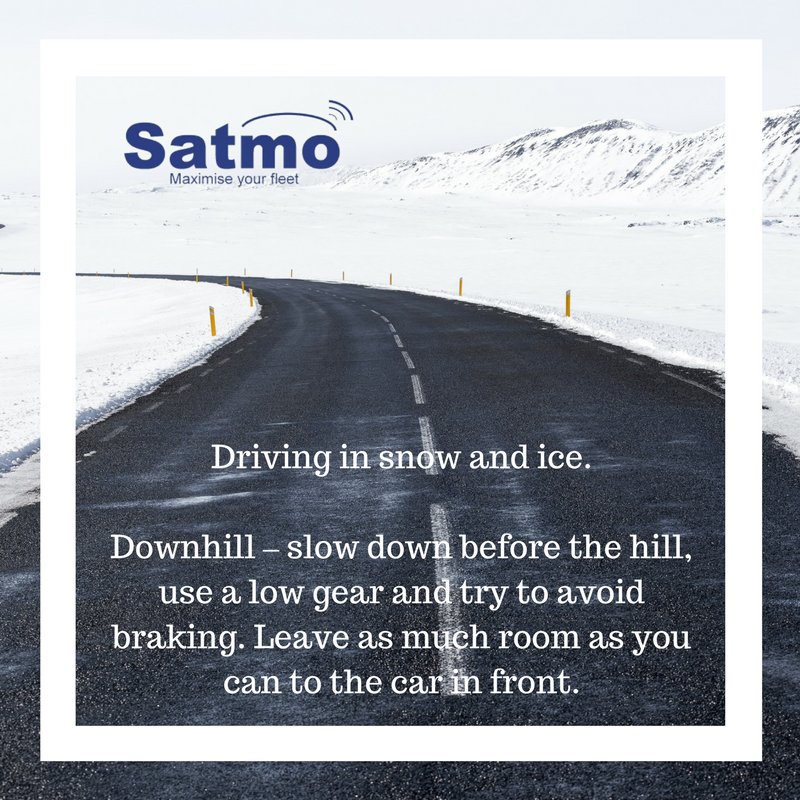
Use major routes where possible – these are much more likely to have been gritted and, usually, the higher traffic volumes help prevent snow from settling. Leave much bigger stopping distances between you and whatever is in front of you. Above all, reduce your speed. The car will be easier to control and you’ll have much more time to react to developing situations.
Can you see properly?
You must ensure that all of your windows are clear of snow and ice. The highway code says that if you are driving in adverse weather condition then you must be able to see out of each glass panel in your vehicle.
There is no law that states that it is illegal to drive with snow on the roof, however if it falls off onto your windscreen while driving or flies into the path of another car then you could be penalised for driving without due care and attention.
Braking during winter driving
Apply the brakes as if they are made of glass. Sharp application of the brakes can lead to a skid, at which point you’ve lost control of your car.
The overall stopping distances are multiplied by ten times (x 10) for snow and icy conditions.
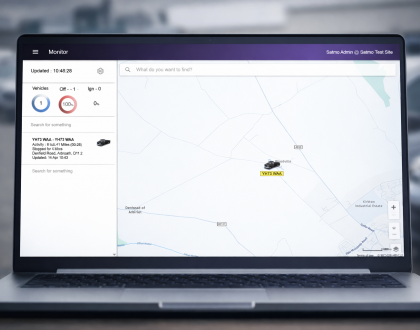
Harsh braking can be monitored in your vehicle tracking system, and training during the summer months will help your drivers in the winter driving conditions.
Other tips for winter driving

Fiona Taylor
Fiona Taylor is the Sales Manager at award winning Satmo Vehicle Tracking. If you feel you need help with your fleet, want to gain back control, save some money and time then please get in touch.